Welcome to Cedar
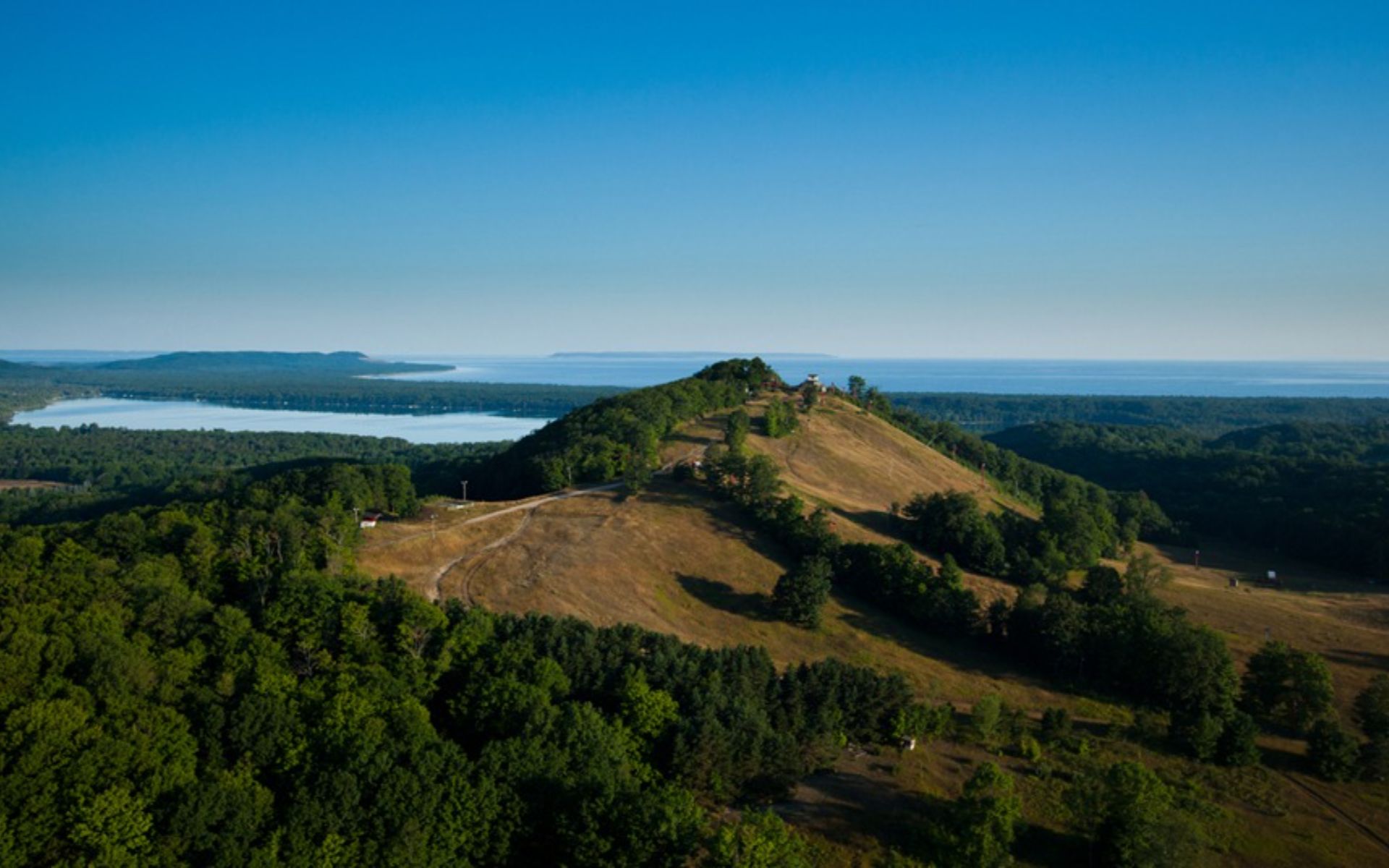
Cedar is a small town located in the center of the Leelanau Peninsula in Michigan. The town has a rich Polish history that stems back to 1868 when Polish immigrants began to settle in this location. Residents today still proudly identify with their Polish heritage and celebrate with the annual Cedar Polka Festival.
History of Cedar
The area now known as Cedar originally consisted of three settlements known as Schomberg, Bodus, and Isadore. Polish immigrants from Gdansk or Poznan (Posen) initially settled in cities such as Buffalo, Chicago, Detroit, Milwaukee, and Toledo with a goal of earning enough money to purchase land through the Homestead Act of 1862. Around 1868, families began moving north to Leelanau and many first-generation farm retirees and Polish people moved to what was known as the largest community, Cedar City.
Lumberman Benjamin Boughey named the area Cedar City in 1885 because of the large cedar forest that surrounded it. In the early 1900s, the cedar forest was stripped and logged to help rebuild Chicago after the great fire of 1871.
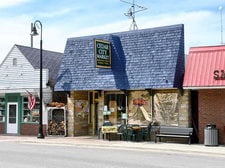
The main street of Cedar looks much like it did 50 years ago and is still identified as a Polish community. The Cedar Polka Festival celebrates the Polish heritage and is an annual summer event that began in 1975.
Cedar Today
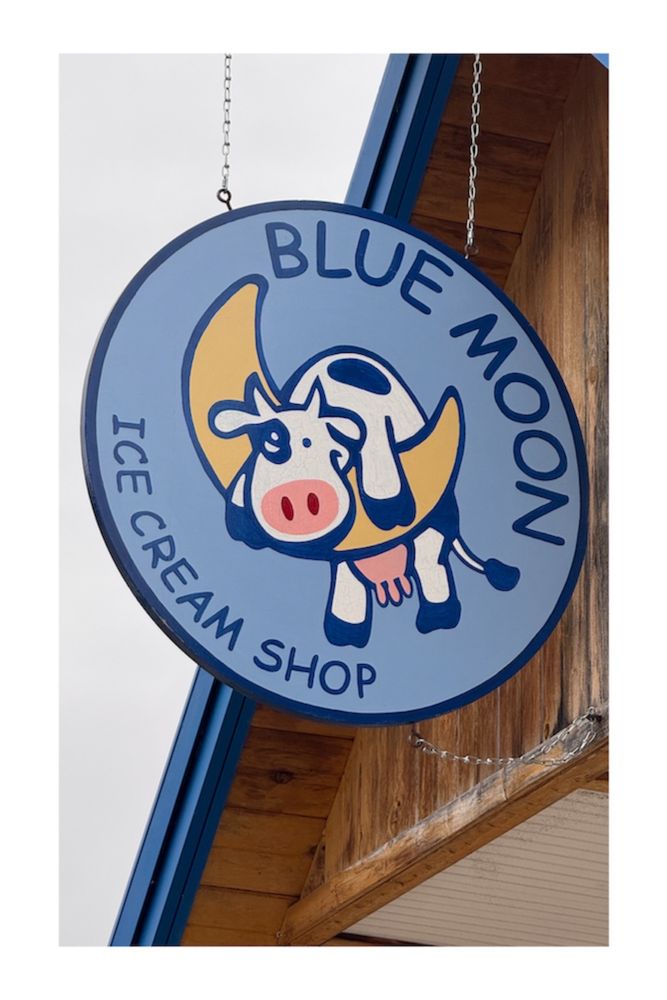
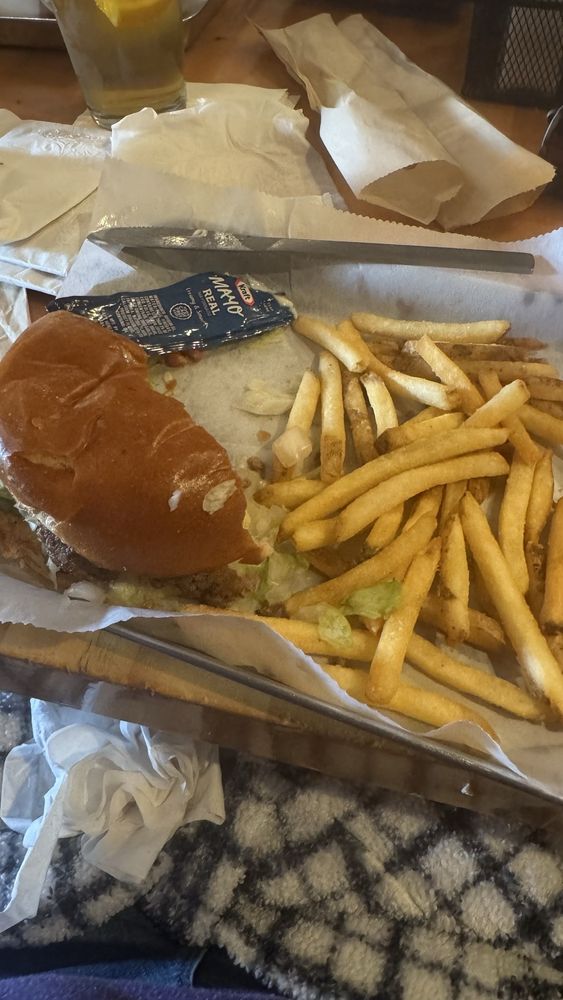
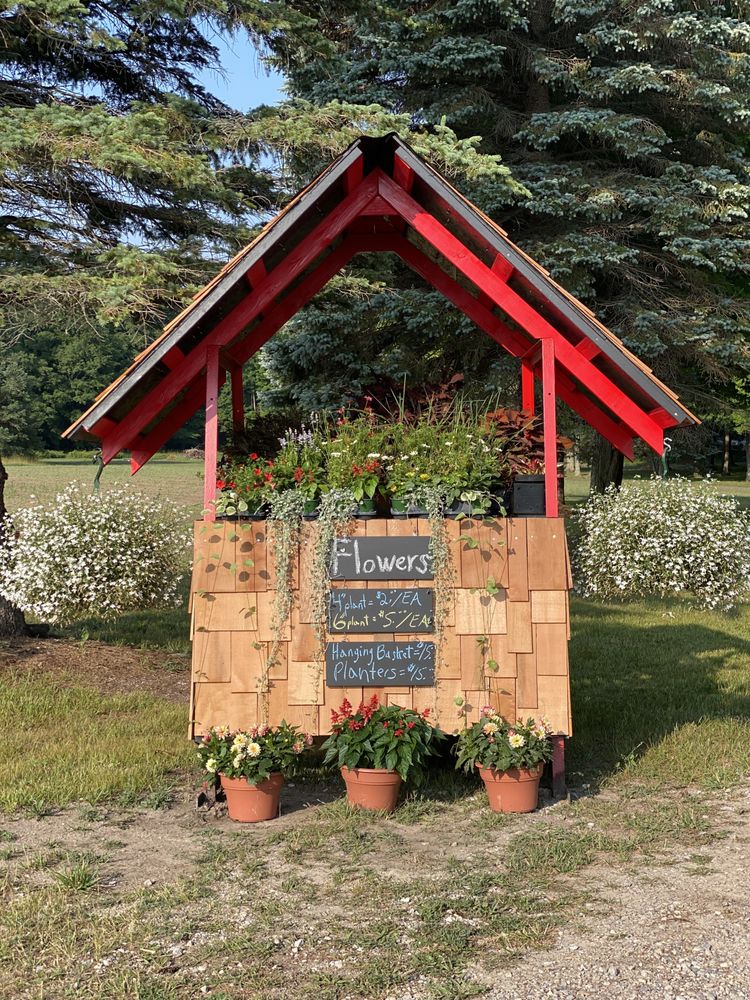
Cedar is a small town that is both diverse and deeply rooted. Its residents pride themselves on being a "stereotypical small town" where everyone knows your name, and in times of celebration or need, the community bands together to support one another. Locals and visitors will find casual dining at the local tavern and restaurant, a coffee shop, an ice cream shop, a meat market, a grocery store, a gas station, and other quality artisans and service providers with shops in Cedar.
The Cedar River links the community of Cedar to South Lake Leelanau. The Cedar River Waterway has been described as the "Everglades of northern Michigan" and there is a Waterway and Park Project underway that will improve access to the three-mile winding river throughout the wilderness sanctuary. Access will be just north of the commercial district from the red bridge. The slow-flowing river allows one to enjoy plants, fish, turtles, and federally protected osprey.
Cedar Real Estate
While the town of Cedar is relatively small, the boundaries span a large area of land throughout the center of the peninsula. The eastern border is near Cedar Lake (just north of Traverse City). The border continues north including homes and property on the western shores of Lake Leelanau. The southern border is at M72 and continues north from there just east of Maple City including property around Lime Lake and Little Traverse Lake. The northern border includes some parts of Good Harbor Bay. The Victoria Creek runs through the town and spills into the southern end of Lake Leelanau.
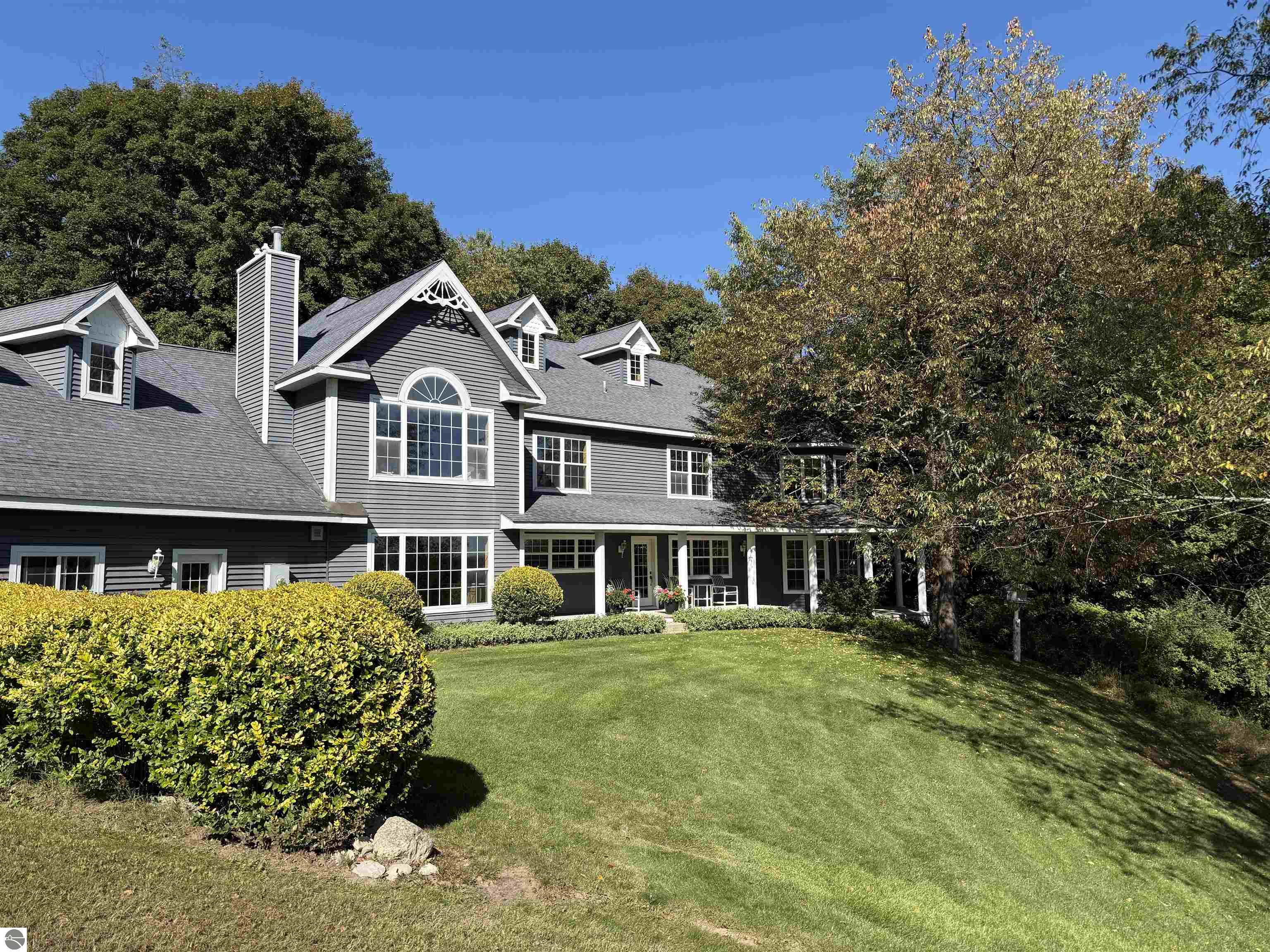
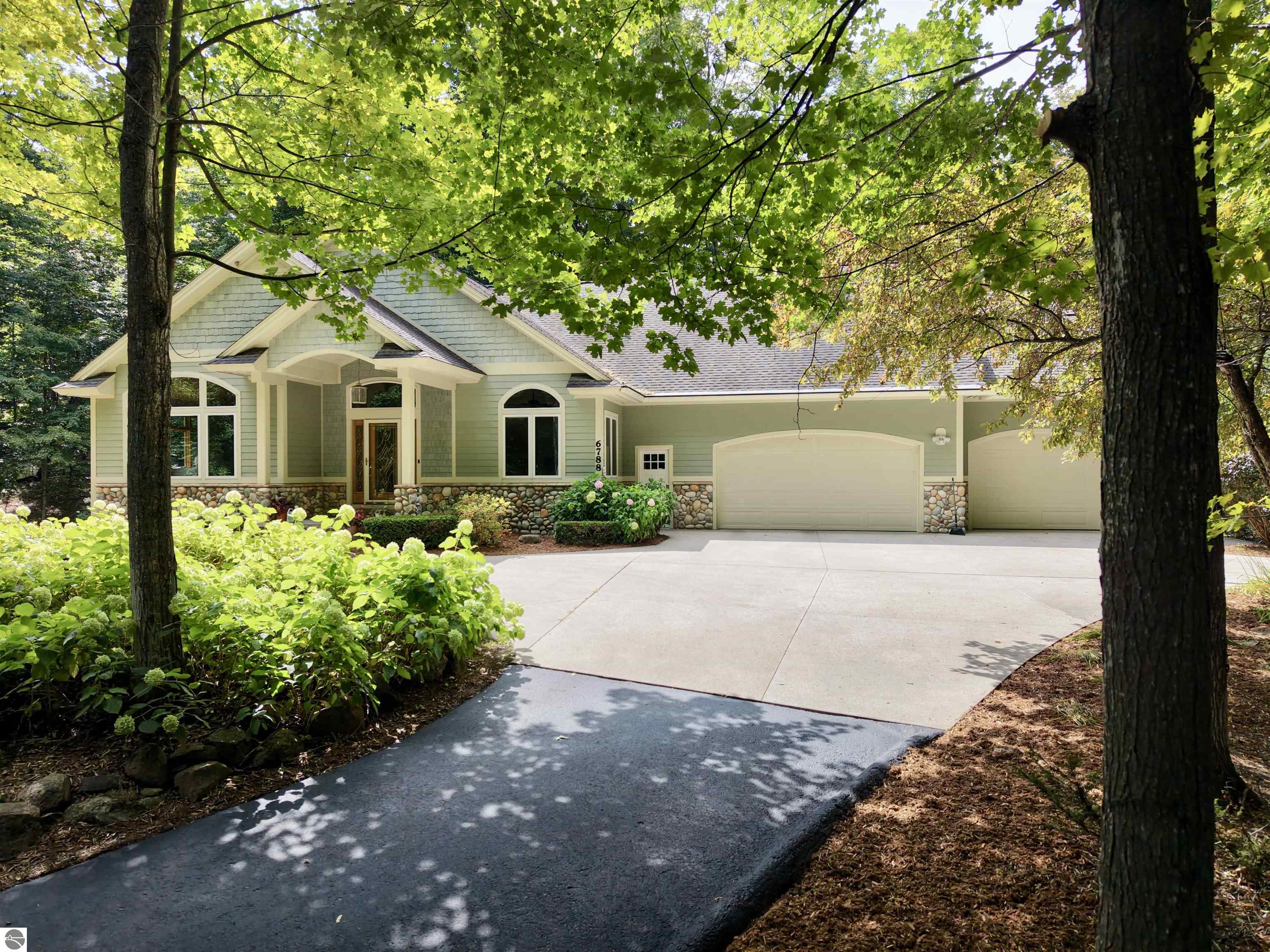
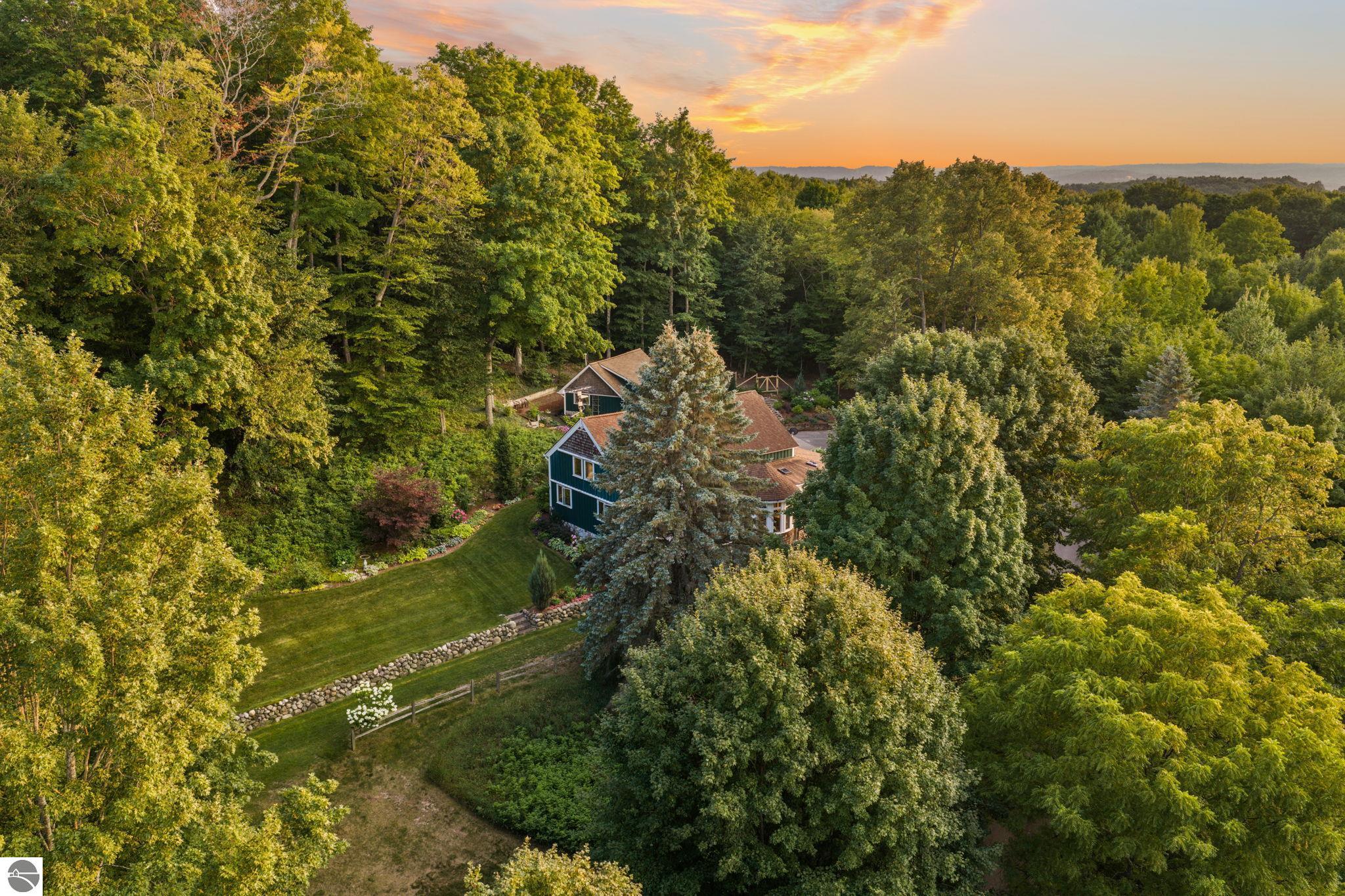
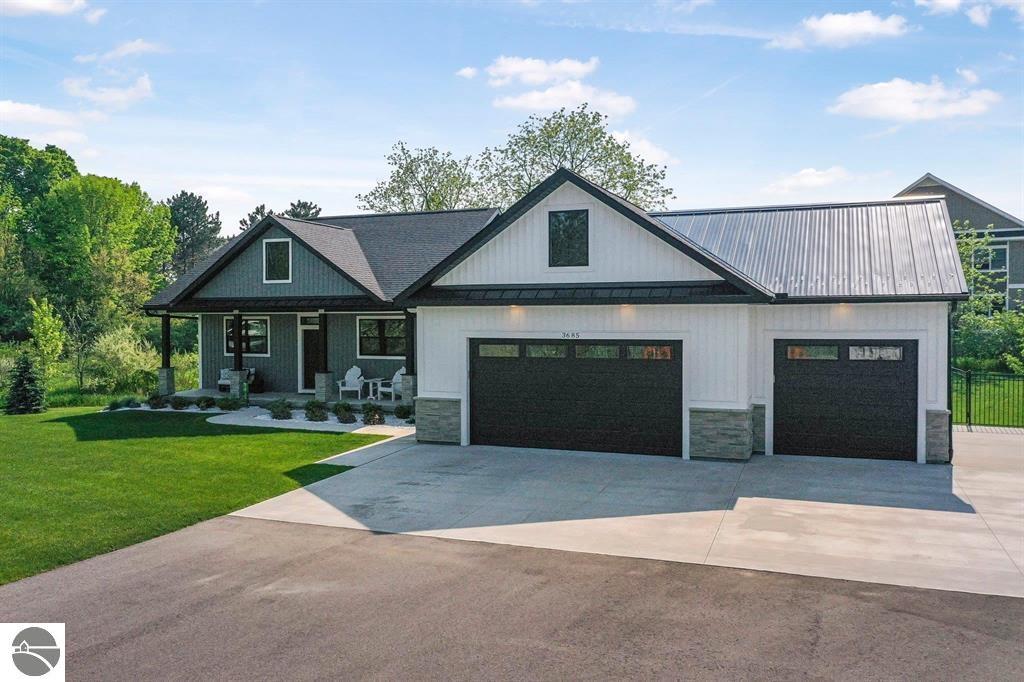
Rolling hills, vacant acreage, farms, orchards, and smaller neighborhoods define the residential opportunities in Cedar.
Other Community Information
Schools Near Cedar
While there are no longer any schools operating in Cedar, families living there will be a part of one of three school districts – Glen Lake Community Schools or Traverse City Area Public Schools, each offering education from kindergarten through high school.
Cedar Churches
Cedar is home to three small churches of various denominations. Within a short drive, to neighboring villages, additional churches can be found.
- Holy Rosary Catholic Church
- Faith Missionary Baptist Church
- St. Paul’s Lutheran Church
Entertainment & Recreation in Cedar
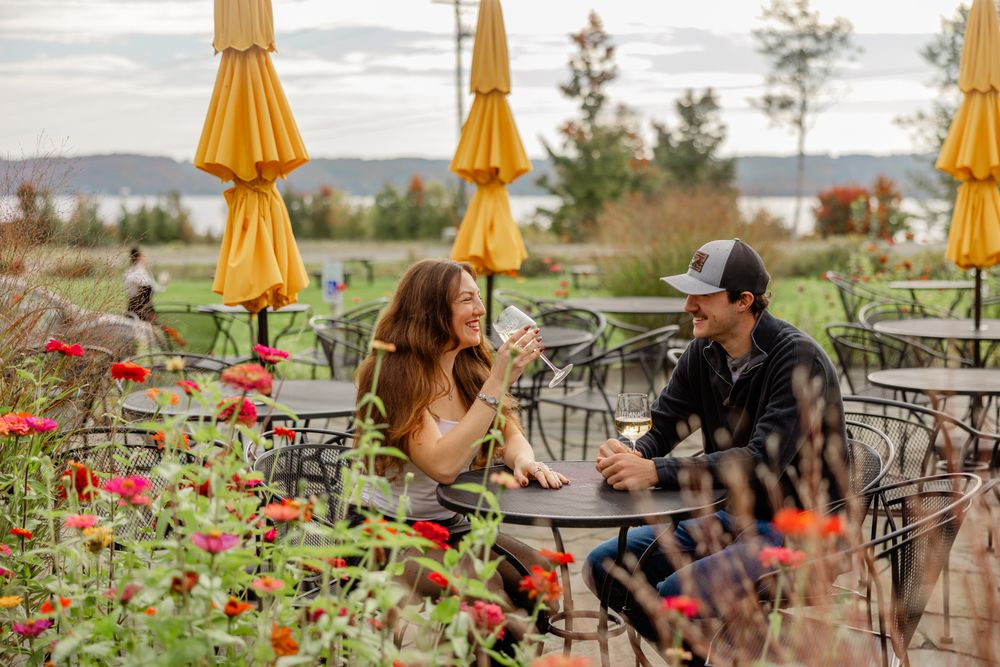
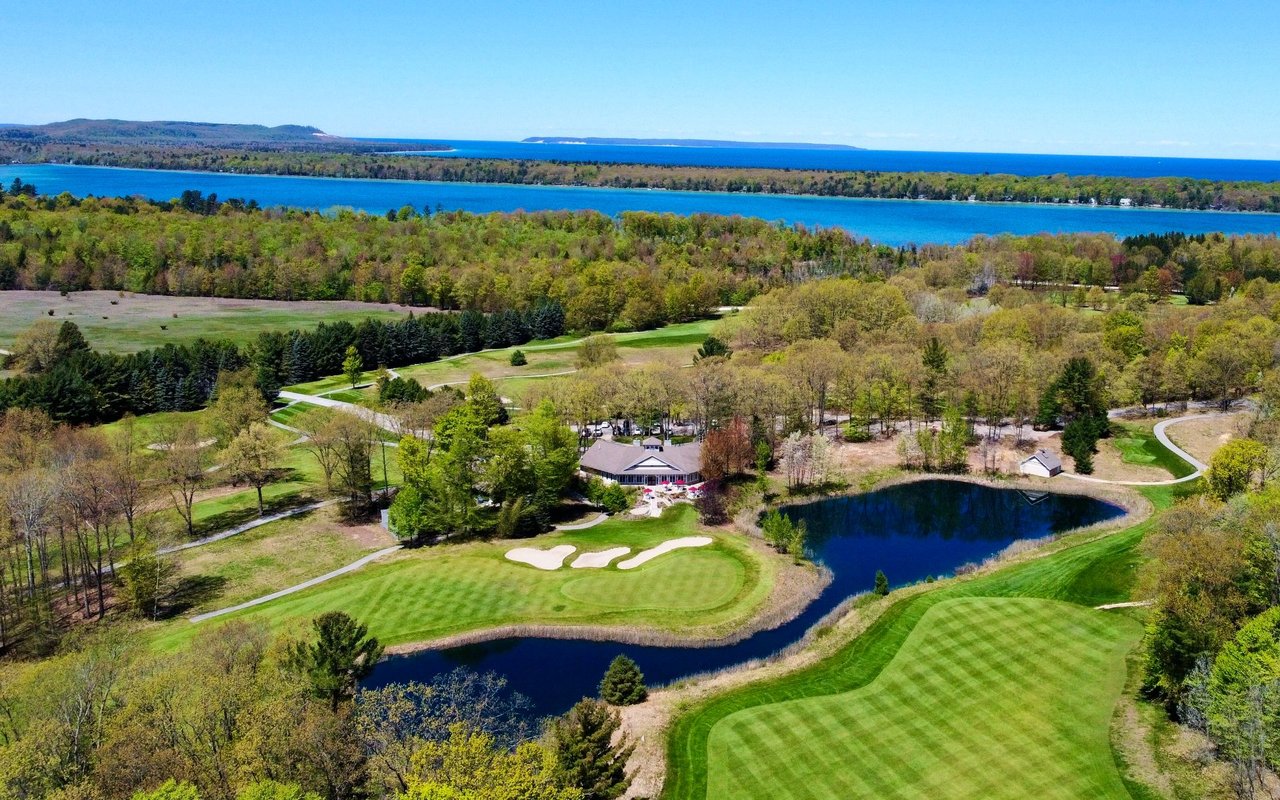
While many consider the natural wonders of the region to be entertainment for the area, there are also a host of unique shops, dining, and events in Cedar. The most notable is the annual Cedar Polka Festival. Residents and visitors also enjoy boating, fishing, camping, golfing, hiking and more.
Following are some additional resources for information on what to do in Cedar:
- Cedar Chamber of Commerce
- Leelanau Chamber of Commerce
- Leelanau Conservancy
- Village of Cedar
- Manitou Passage Golf Club